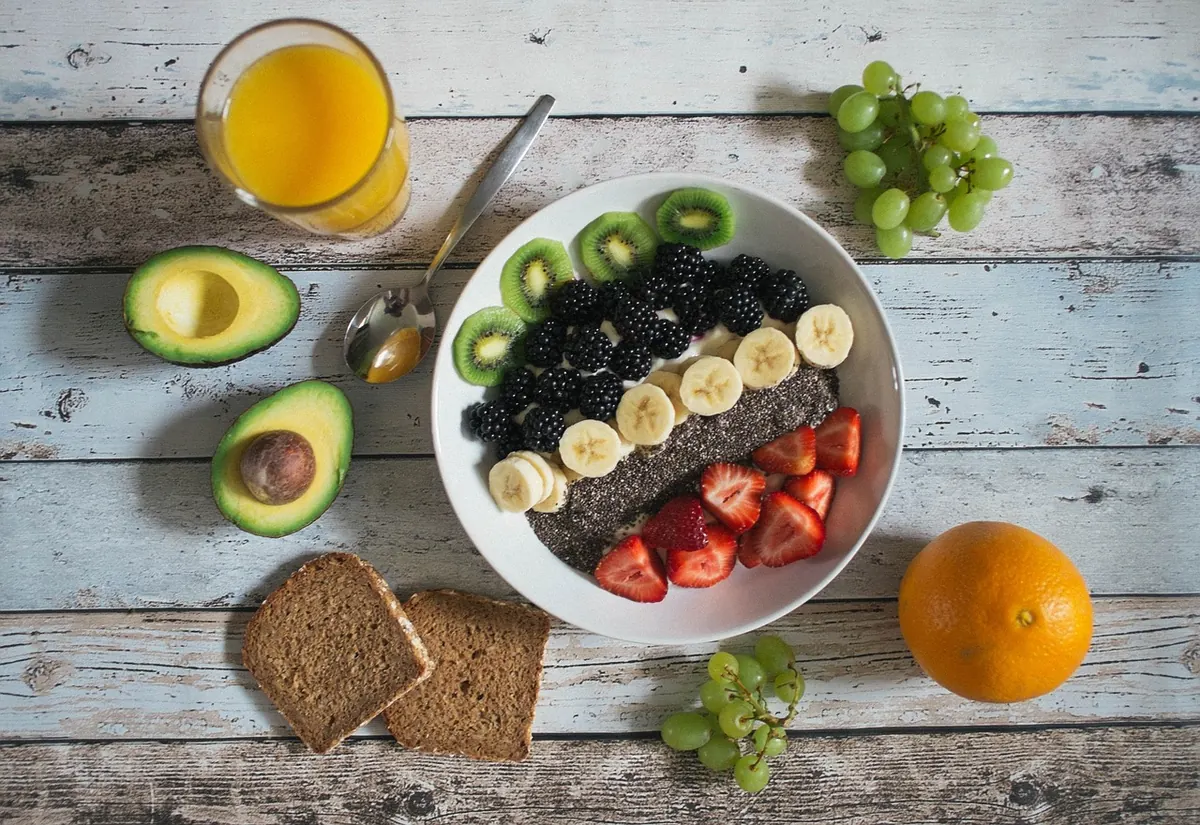
A punnet of hard peaches left on the windowsill. A bowl of avocados that never quite soften. A pear that goes from rock-hard to brown in what feels like an afternoon. Ripening is mostly a matter of leaving fruit alone in the right conditions — and most stalled fruit comes down to a few small, repeated habits rather than bad luck. The encouraging part is that every one of those habits has a simple correction, and most fruit responds within a few days.
Cold is the biggest reason fruit stalls. Ripening depends on enzyme activity inside the fruit, and low temperatures slow that activity to a crawl. Put a hard peach or a green banana in the fridge and you have effectively pressed pause. Take it out a week later and it may soften unevenly, or never reach the sweetness it would have found on the counter. There is nothing wrong with the fruit — it has simply been given the wrong conditions.
Use the fridge for fruit that is already ripe, and for fruit that will not improve after picking: berries, cherries, grapes and citrus. Everything else needs room temperature first.
A tight plastic bag feels protective. In practice it traps moisture against the skin, which is exactly what mould wants, and cuts off the airflow that keeps ripening even. You end up with fruit that is half soft, half rotting, and a smell that lingers in the drawer.
If you want to concentrate the ripening gas fruit gives off — handy when you are hurrying an avocado along — a paper bag does the job better. Fold the top over loosely and leave it at room temperature. Paper holds some of the gas while letting excess moisture escape. If you only have plastic, leave the bag open at the top and check the contents daily rather than sealing it shut.
Watch the crisper drawer too. It is designed to be humid, which suits vegetables and works against ripening fruit. If you must chill fruit that is still firm, keep it on a shelf rather than buried in the drawer.
A bruise is not just cosmetic. Damaged tissue ripens faster than the rest of the fruit and becomes the entry point for mould. Left in a bowl with healthy fruit, one bruised plum can turn the whole lot within a couple of days.
Sort fruit when you bring it home. Eat or cook anything bruised, split or leaking — a soft peach is ideal for a crumble, and an over-soft banana belongs in a cake rather than a fruit bowl. Compost anything with visible mould instead of cutting around it, and wash the bowl before refilling it. Keep the ripening fruit and the ripe fruit in separate bowls so you can deal with each at the right moment.
Some fruit produces ethylene, the natural gas that triggers ripening in its neighbours. Some responds to it. Some does neither. Get the pairing wrong and nothing happens; get it right and a hard pear can soften noticeably in a day or two.
What does not work: putting hard fruit next to berries, grapes, cherries or citrus. Those do not ripen further once picked, and they will simply spoil faster in ethylene-rich air.
Ripening slows in the cold and stalls in the heat. A bowl on a sunny windowsill can push fruit past ripe and into mushy, because direct sun warms the skin far more than the air around it. A spot beside a radiator or above a hob is worse still. A windowsill that is warm by day and cold at night is not ideal either.
Aim for a cool room, out of direct sun, with a little air moving around. Leave space between fruit instead of piling it into a deep bowl, where the bottom layer gets crushed and no air reaches it. Once fruit is ripe, that is the moment to move it into the fridge — cold slows things down nicely after the work is done.
Checking ripeness by squeezing is the quickest way to bruise fruit. Press gently near the stem with a fingertip: if it gives slightly, it is ready. If it is still hard, put it back and leave it alone for a day.
Two more habits matter. Washing fruit before it ripens strips the natural protective bloom and adds surface moisture, so wash just before eating instead. And cutting fruit to check it stops ripening altogether — a cut fruit will not soften any further, so wait until it is genuinely ready before reaching for the knife.
Not every fruit will ripen. Fruit picked very early, or chilled for a long stretch in transit, can be past the point where the process restarts, and no amount of patience will bring it round. If something has sat unchanged for more than a week, is unusually hard with no give at all, or has started to wrinkle while staying firm, it is probably not going to soften.
For everything else, the routine is simple: room temperature, a little airflow, one ripe companion if you are in a hurry, and a bit of patience. Give fruit the conditions it needs and it will do the rest of the work itself.
Photo: Pexels / Pixabay
Simple UK recipes that turn soft, overripe bananas, berries and stone fruit into banana bread, smoothies, compote...
A practical guide to the low-cost kit that controls humidity, airflow and ethylene when ripening fruit at home, from...
Learn how to ripen green tomatoes indoors before frost using paper bags, boxes and trays, with simple light and...
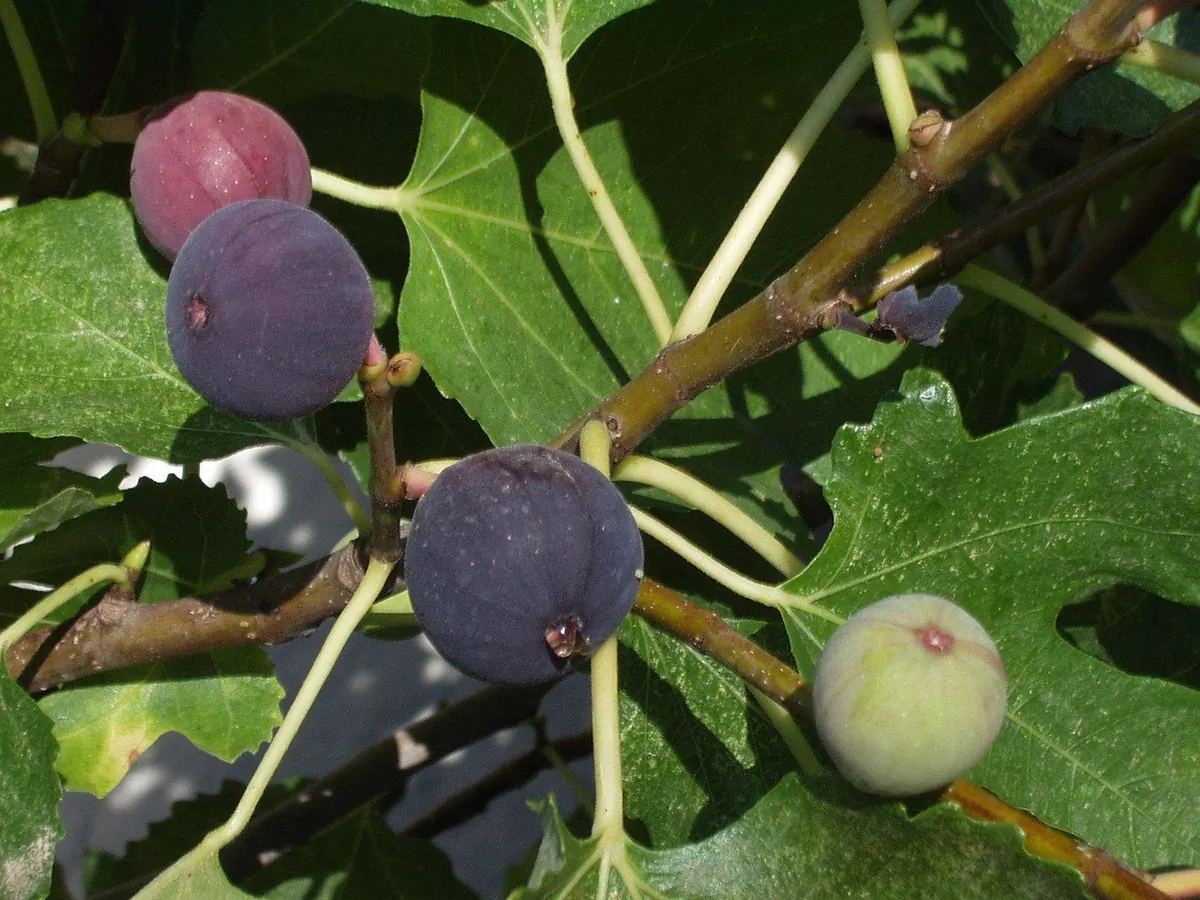

Bring your fruit to perfect ripeness at home.
