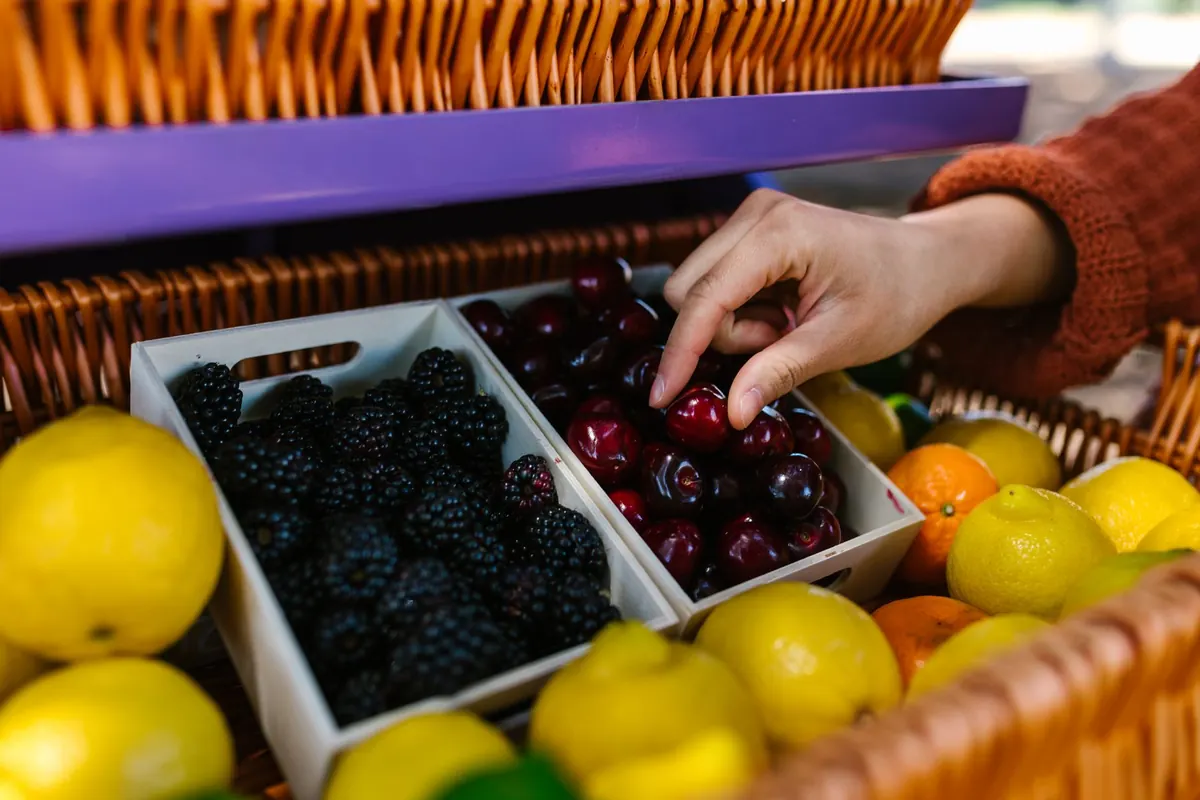
A ripe peach smells like the whole point of summer. It can also be woolly and dull inside. The gap between the scent and the first bite is where most of us get caught out, because ripeness is never a single measurement.
It is a handful of clues that, read together, tell you whether to eat now, wait a day, or move the fruit somewhere cool. Here are twelve of them, grouped by sense.
Fruit does not ripen all at once or evenly. Sugars rise, acids fall, the pectin holding cells together breaks down, and aroma compounds develop — each on its own timetable. That is why a mango can be soft at the stem and firm at the base, or a pear can smell ready while the flesh around the core is still chalky.
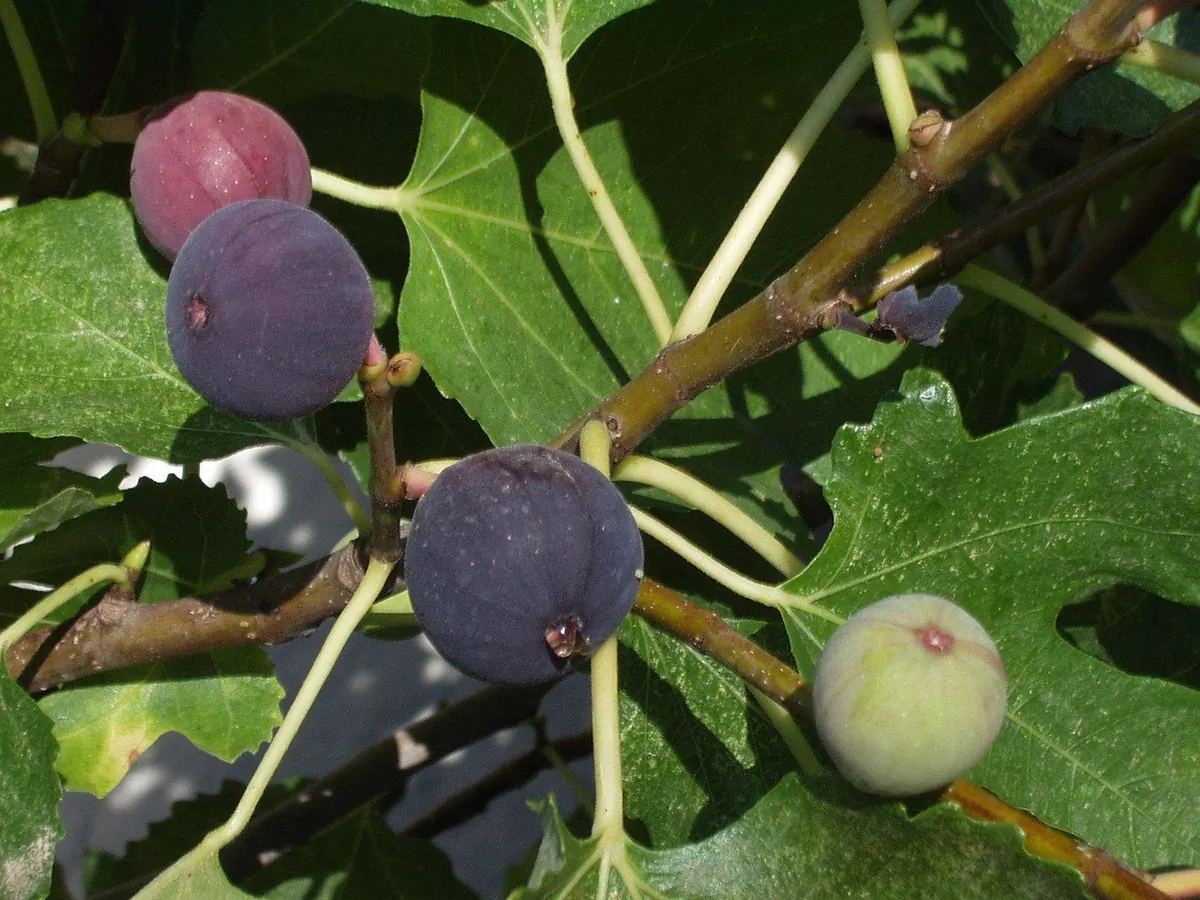
It also pays to know which fruits keep ripening after picking. Bananas, avocados, peaches, pears, mangoes, plums, kiwis, figs and tomatoes carry on changing on your counter. Berries, cherries, grapes, citrus and pineapple stop the moment they are harvested. With that second group you are judging freshness rather than ripeness, and no amount of waiting will sweeten a sour strawberry.
Smell is the sign most people skip and the one that arrives first. Aromas build before texture changes, so fruit can smell ready a full day before it feels ready. Get into the habit of sniffing before you squeeze.
Where you sniff matters. On stone fruit and tomatoes, the stem end carries the scent. On melons and pineapples, go to the base. If the fragrance is faint, leave it on the counter and check again in the morning. If it smells sweet from across the room, eat it today.
Poking the middle of a peach tells you very little and bruises the fruit. Use the pad of your thumb, not a fingertip, and press near the stem end or along the shoulders. Then cradle the fruit in your palm and apply the lightest possible pressure. You are looking for a gentle, even yield across the whole fruit, not one soft spot.
For avocados, the stem end matters most. A hard stem end with a slightly soft body usually means another day. Soft all over, with the little stem cap easy to flick off, means eat it now. Pears are trickier: many varieties ripen from the inside out, so they can feel firm and still be ready. With those, trust scent and the stem end over a squeeze.
Judge the background colour, not the blush. A red apple can be red for weeks. The skin underneath — green to yellow-green to gold — is the part that changes with ripeness. On a pineapple, watch the base: colour creeping up from the bottom is a better sign than a fully golden shell, which often means it is already past its peak.
The stem tells two stories: how fresh the fruit is, and how ripe. A green, plump stem on a tomato, or a perky calyx on a strawberry, says it was picked recently. A dry, brown, shrivelled one says it has been travelling. Softness around the stem on an avocado, pear or mango is a strong ripeness cue in its own right.
Sound is a melon trick, and a rough one, but it works alongside everything else. Weight is more dependable. Pick up two melons, two lemons, two pomegranates: the heavier one is usually the juicier one. Light fruit tends to be dry or hollow.
Once two or three signs agree, you can decide what to do with the fruit.
Ripeness is a moving target, so treat this checklist as a daily two-minute habit rather than a one-off test. Walk past the fruit bowl each morning, sniff the melon, press the avocado, look at the bananas. You will soon learn your own kitchen's pace — how quickly things move in a warm spell, how slowly in a cold one — and you will waste far less fruit.
If in doubt, wait a day and check again. Very few fruits are ruined by an extra twelve hours on the counter. Plenty are ruined by an impatient squeeze.
Photo: RDNE Stock project / Pexels
Simple UK recipes that turn soft, overripe bananas, berries and stone fruit into banana bread, smoothies, compote...
A practical guide to the low-cost kit that controls humidity, airflow and ethylene when ripening fruit at home, from...
Learn how to ripen green tomatoes indoors before frost using paper bags, boxes and trays, with simple light and...

Bring your fruit to perfect ripeness at home.
