
Bananas are the most impatient fruit in the bowl. You buy a bunch with a hint of green, turn your back for a day, and suddenly they are speckled, soft and sending out fruit flies. It is not your imagination, and it is rarely a bad batch. Bananas are built to ripen fast, and a typical UK kitchen — warm, humid, often filled with other fruit — gives them exactly the conditions they need to sprint towards overripe. The good news is that you can slow them down without turning them into flavourless, chilly impostors.
Bananas are climacteric fruit, which means they continue ripening after harvest. They respire, taking in oxygen and releasing carbon dioxide, and they produce ethylene, a natural plant hormone that triggers ripening. A banana in a bowl is not just sitting there; it is actively pushing itself towards softness, sweetness and eventually decay. Once ripening starts, it accelerates. The warmer the room, the faster the chemistry runs. That is why a banana on a sunny windowsill can turn from yellow to black in what feels like hours, while one in a cool pantry holds on for longer.
Bruising matters too. Every knock, squeeze or heavy pile-up damages cells and releases more ethylene. A banana that has been crammed into a bag with tins, or dropped into the bottom of a rucksack, will ripen sooner than its unblemished neighbour. The same goes for the crown — the joined top where the bananas meet — which is a busy little ethylene factory.
Most UK kitchens sit somewhere between 18°C and 22°C, and they can spike higher when the oven is on or the heating is running. Bananas prefer around 12°C to 15°C for slower ripening, which is cooler than most of us keep our living spaces. Add the humidity from boiling pasta, steaming kettles and washing up, and you have a fruit that is being gently encouraged to spoil.
Then there is the fruit bowl. Apples, pears, tomatoes, avocados and stone fruit all release ethylene. Put bananas next to them and they will all egg each other on. A bowl of mixed fruit looks lovely, but it is a ripening party with no off switch.
You do not need special equipment. You need to control three things: temperature, airflow and ethylene. Here are the fixes that make the biggest difference in a normal kitchen.
If your bananas are still green and you want them to ripen slowly, keep them at room temperature and away from other fruit. Do not refrigerate them yet. If you want them to ripen faster, put them in a paper bag with an apple or a ripe banana — but that is the opposite of what this article is about.
Once bananas are heavily speckled or turning brown, stop trying to save them for eating out of hand. Peel them, slice or mash the flesh, and freeze it in portions. Frozen banana goes straight into smoothies, banana bread, pancakes and banana ice cream. A squeeze of lemon juice or a brief dip in water with lemon can help slow browning if you are storing peeled slices in the fridge for a day.
Some habits feel helpful but backfire. Storing bananas in a sealed container is one. Piling them high in a bowl is another. Leaving them in the car boot on a warm day, or beside the toaster, is a third. Washing bananas before storage is unnecessary and adds surface moisture. And if you keep a bowl of apples and bananas together, do not be surprised when the bananas win the race to soften.
It also helps to buy the right stage. If you plan to eat bananas over several days, choose a bunch with green tips and no brown spots. If you need them for tomorrow’s breakfast, buy yellow ones. Buying fewer, more often beats buying a large bunch that you cannot get through.
When you get home, unpack the bananas and decide how quickly you will eat them. Keep the green ones in a cool, airy spot away from other fruit. As they turn yellow, break the bunch apart and wrap the crowns. Move any that are fully ripe to the fridge, where they will hold for a few more days. Anything past its best goes into the freezer for baking or smoothies.
That routine takes less than a minute and saves more fruit than any gadget. Bananas will always ripen — that is their nature — but with a little airflow, a cooler corner and a bit of separation, you can stretch the window between perfect and past it. And when they do go soft, you will have something even better waiting: a freezer stash for banana bread on a grey afternoon.
Photo: shadowfirearts / Pixabay
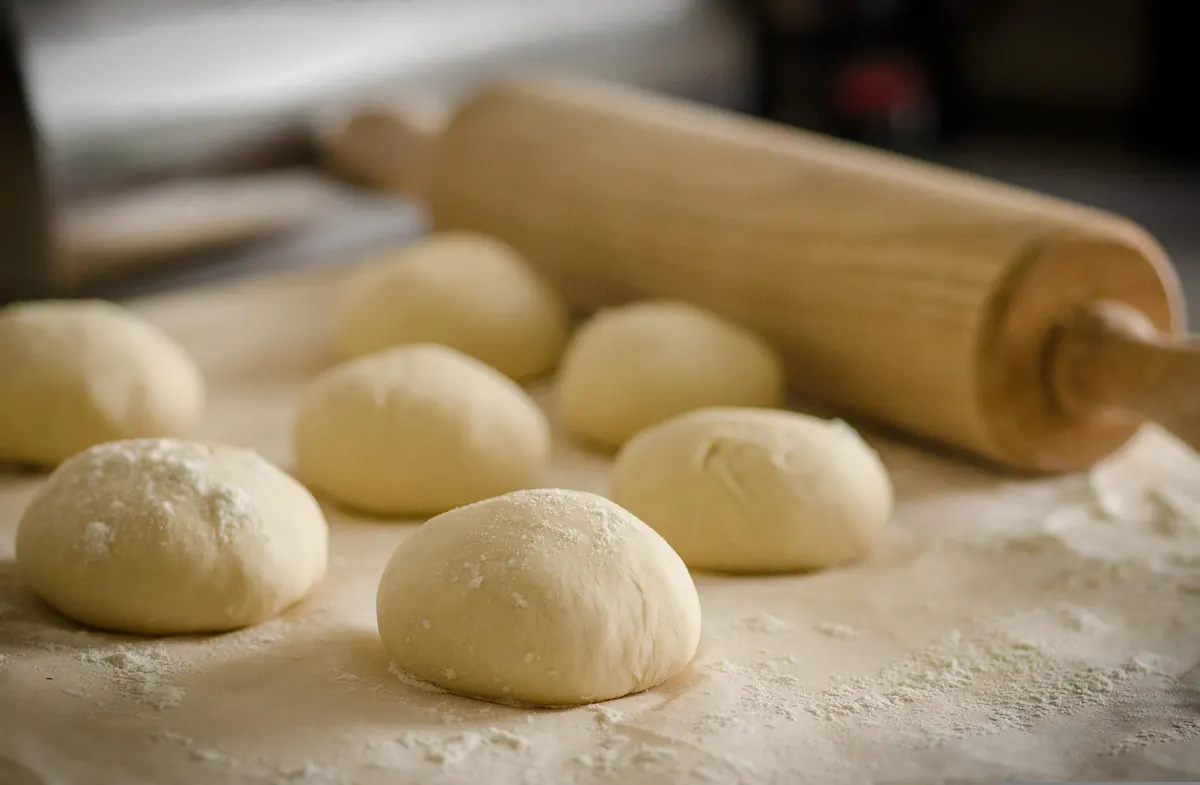
Simple UK recipes that turn soft, overripe bananas, berries and stone fruit into banana bread, smoothies, compote...
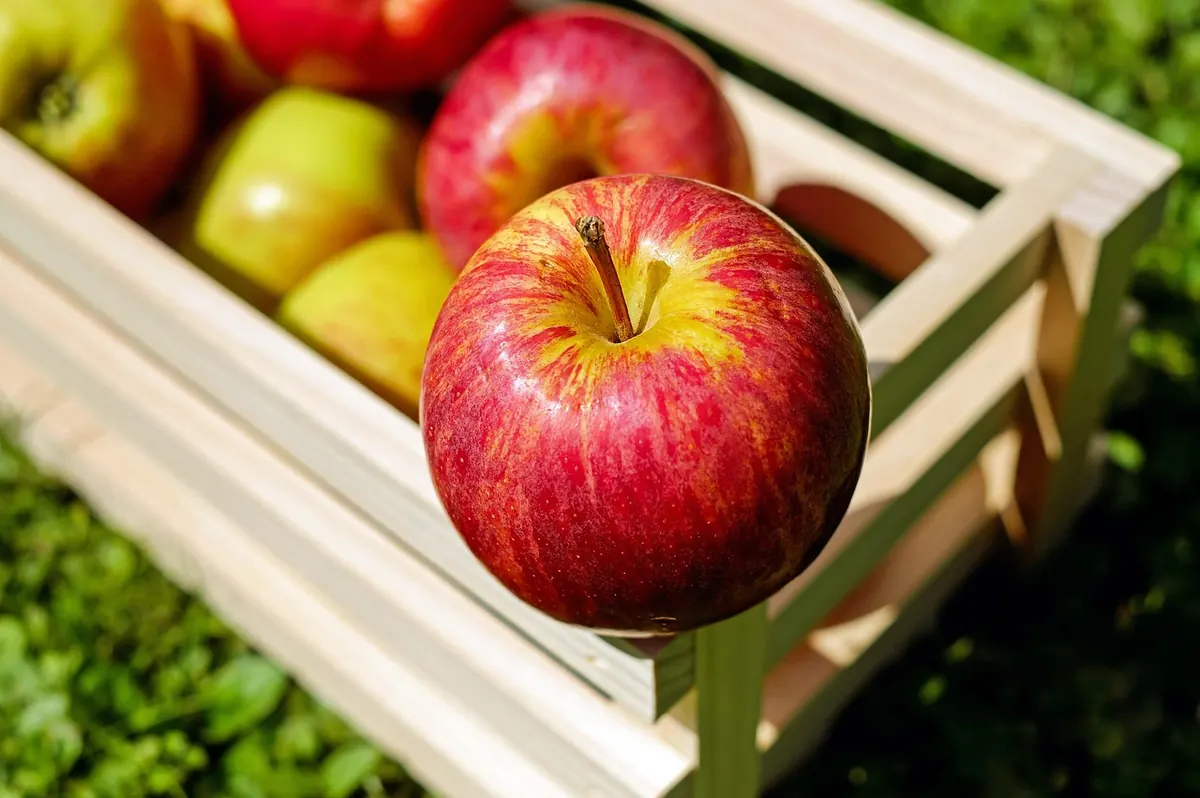
A practical guide to the low-cost kit that controls humidity, airflow and ethylene when ripening fruit at home, from...
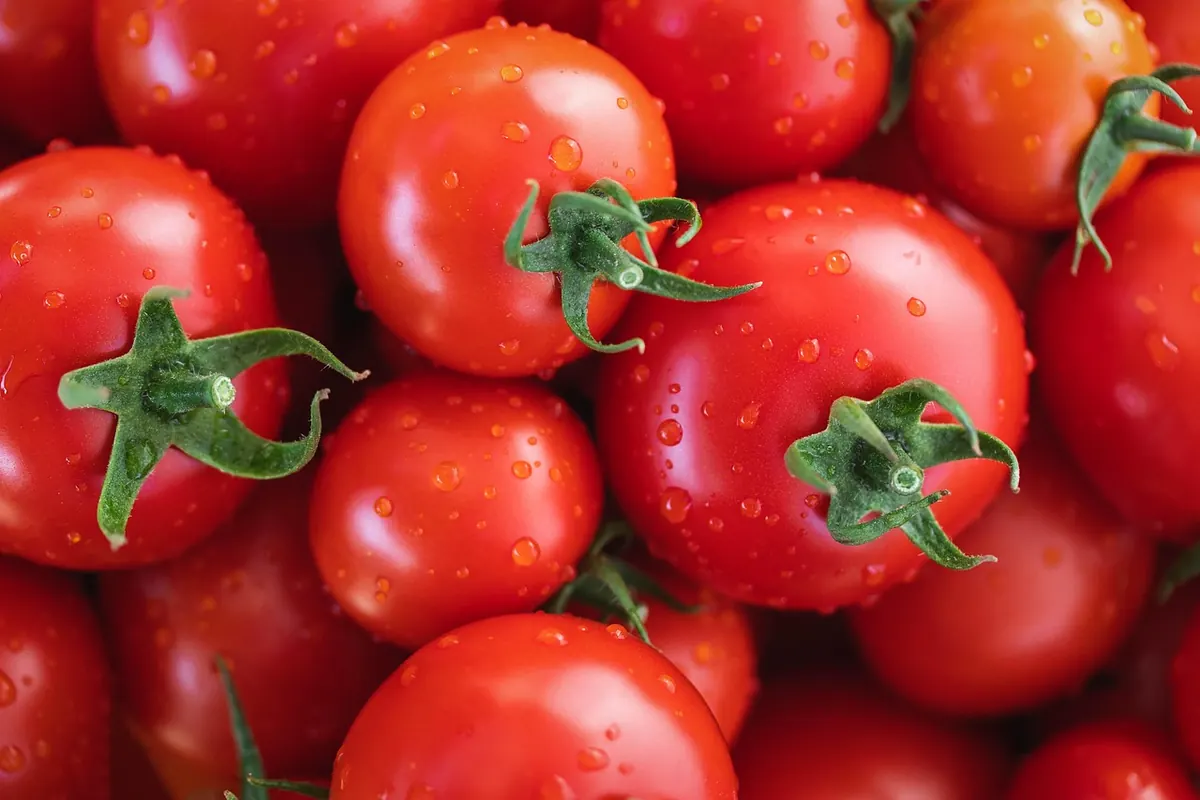
Learn how to ripen green tomatoes indoors before frost using paper bags, boxes and trays, with simple light and...
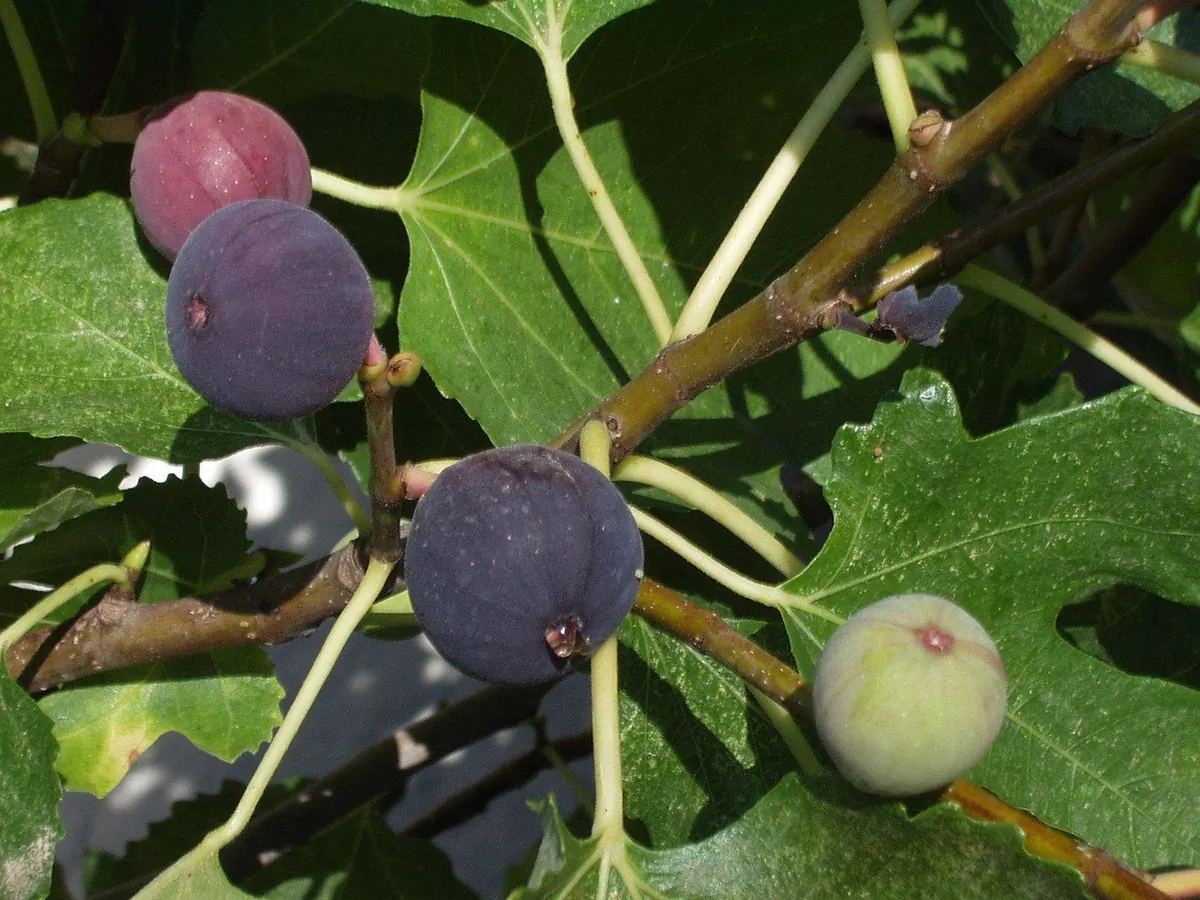

Bring your fruit to perfect ripeness at home.
